





Protecting Data Quality in Pharmaceutical Supply Chains
The pharmaceutical industry is becoming more connected and automated with data-driven technologies helping to support operations with little to no human contact. As a result, data quality has become a key talking point.
The industry has already invested heavily in data governance. However, data quality doesn’t end at the point of application and protecting it once a product leaves the factory is where manufacturers may be falling short.
Bart Vansteenkiste, Global Key Account Manager – Lifesciences, Domino Printing Sciences, explores the importance of coding technologies, validation, and strategic samples testing, in helping to protect data in pharmaceutical supply chains.
Downstream data integrity
A recent Accenture report found that 67% of companies don’t trust their data enough to use it effectively. For regulated industries such as pharmaceuticals, however, accurate master data typically already exists.
There are clear mandates for product serialisation to support supply chain traceability and protect consumer safety, and validation to ensure data is correct and compliant at the point of application. Data quality issues in pharma are much more likely to occur in the wider supply chain. To be truly trustworthy, data must be accurate, readable, and accessible throughout its journey.
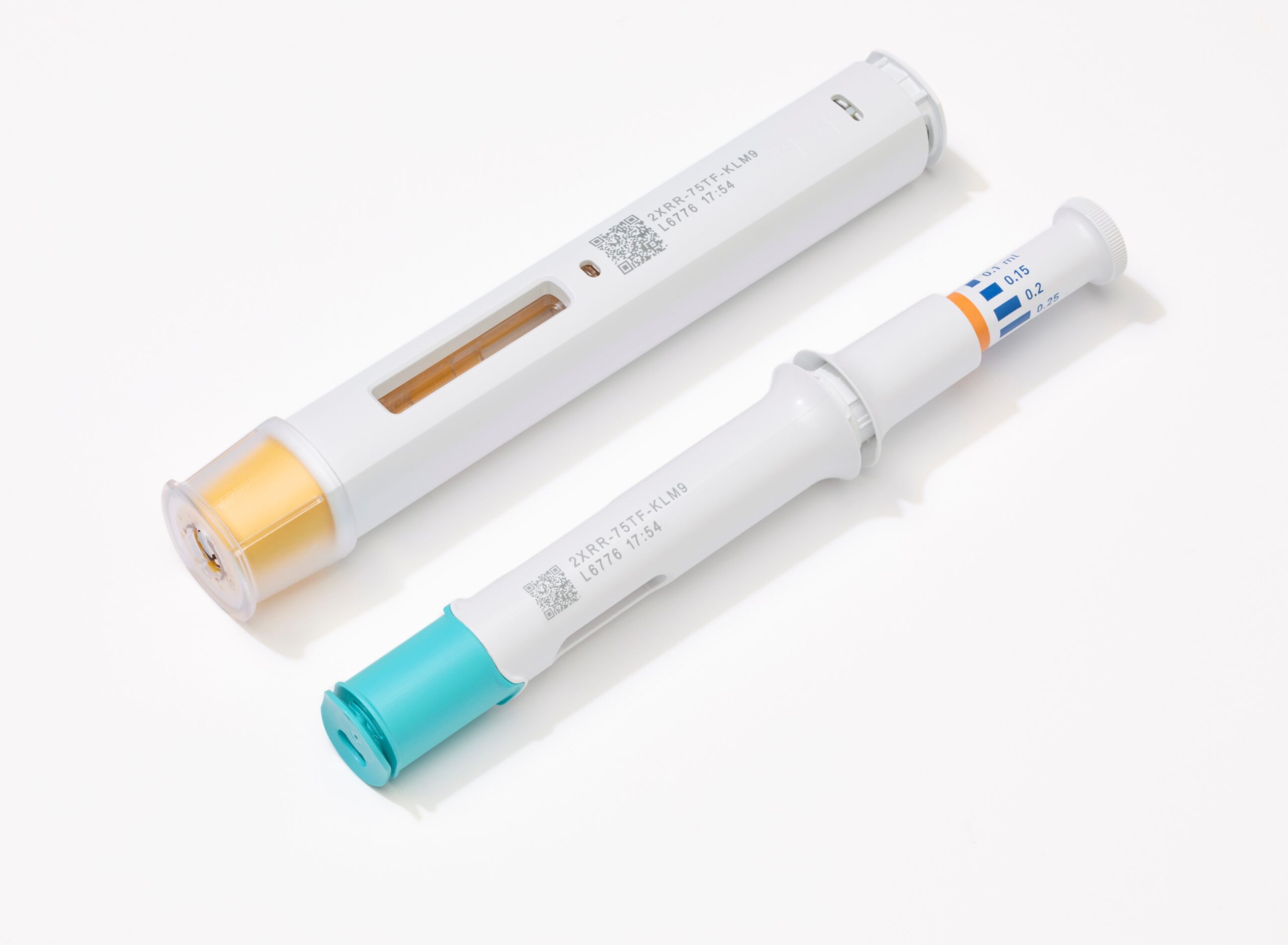
Data that is correct in the system but incorrect or unreadable on the pack can be as damaging as missing data. With the rise in automated dispensing and prescribing systems, data that is missing, incomplete, badly formatted, or applied incorrectly can lead to stock rejection, recalls, or, in the worst-case scenario, dangerous dispensing errors.
Missing and unreadable data is already causing problems in the industry. Several pharmacies in the UK have recently reported a rise in medicines with unscannable barcodes. The UK Medicines and Healthcare products Regulatory Agency has reported similar issues, citing a rise in unreadable 2D barcodes leading to stock being scrapped or quarantined while manual checks are carried out.
These incidents demonstrate how easily reliable supply chain data can become compromised.
When good supply chain data goes bad
Imagine the scenario: a high-value medicine is manufactured in Germany and marked with a compliant, serialised 2D Data Matrix, before leaving the factory. As the medicine moves through the supply chain, repeated handling and packaging friction cause damage to the printed Data Matrix code. Several weeks later, the product arrives at a UK hospital pharmacy. When a pharmacist attempts to scan the pack, the barcode cannot be read.
What’s the outcome?
In the best-case scenario, the pharmacist will need to set the product aside and carry out manual checks, increasing workload and causing delays. If the product cannot be verified, the medicine will need to be scrapped, increasing cost pressures on an already price-sensitive industry. If replacement stock is unavailable, important treatment could be delayed. The lesson is clear: a code needs to survive far beyond the production line.
Establishing trust
Data integrity in pharma starts at the point of application. The wrong information applied to a pack is certain to create downstream disruption. Industry examples have shown how
packaging errors, including the use of incorrect pre-printed components has contributed to errors and product recalls.
Pharmaceutical regulations’ strong emphasis on validation is key. A properly validated production process, supported by in-line vision inspection systems, ensures the correct packaging materials are used, and that all on-product information is correct at the point of application.
Downstream integrity then requires that codes remain readable throughout the pharmaceutical supply chain. To help ensure this, emphasis should be placed on selecting the appropriate coding technologies, validating print quality, and ensuring long-term barcode durability.
Coding and verification
There is no one-size-fits-all solution. The correct model will vary from production line to production line, and will depend on substrate type, line speed, production environment, and whether a contact or non-contact technology is required.
Other production line variations, including product shape, line stability, and vibration, will affect the choice of coding technology. Some applications may require dedicated product handling solutions to ensure the reliable application of 2D Data Matrix codes.
The use of machine vision to check and verify on-product codes is critical. In addition to verifying that the information included on a product is correct and aligns with production orders, reducing the risk of mislabelled medicines, vision systems can confirm scan quality to reduce the risk of rejected products.
Durable coding
To support long-term readability of product codes, manufacturers should assess how codes perform in real-world pharmaceutical supply chain environments. Durable coding
supports supply chain traceability and regulatory compliance by ensuring data remains accessible.
Factors such as steam sterilisation, cold storage, handling, friction, and light exposure can all affect code integrity over time. Selecting the right ink or ribbon for the packaging material is therefore just as important as choosing the coding technology itself. Product codes should then be subject to durability testing alongside repeated scan performance, to ensure that 2D codes remain readable throughout the product lifecycle.
By combining machine verification processes alongside the correct coding technology and consumables selection, manufacturers can help safeguard their data beyond the factory floor. Partnering with an experienced provider of advanced variable data printing, and data management solutions, can help pharmaceutical manufacturers navigate these decisions, selecting and implementing a solution that supports reliable code quality and durability, alongside traceability throughout the product lifecycle.
Conclusion
Data quality management extends from the production line all the way through the supply chain. Even the most sophisticated serialisation and traceability systems depend on the accuracy, quality, and durability of codes applied on pack.
Without an optimised coding and marking solution, trusted data can be compromised long before it reaches the end user. By prioritising data accuracy, code quality, and durability, manufacturers can strengthen data integrity in pharma and build more resilient, autonomous supply chains.