





CIMC: Creating a future proof logistics ecosystem
A future‑ready logistics ecosystem, as defined by CIMC TIANDA, is one that stays agile, visible and seamlessly connected. Instead of isolated automation, it prioritizes integrated intralogistics across receiving, sorting, storage, picking and dispatch — ensuring operations can flex with shifting volumes and product profiles.
With scalable infrastructure and lifecycle‑long maintainability, the goal is simple: build logistics operations that run reliably today and evolve effortlessly as business demands change. We caught up with Gustav Ryan, EMEA Operations Director CIMC, to find out more.

GSC: As global supply chains become more volatile, what does a “future-proof” logistics ecosystem actually look like from CIMC TIANDA’s perspective?
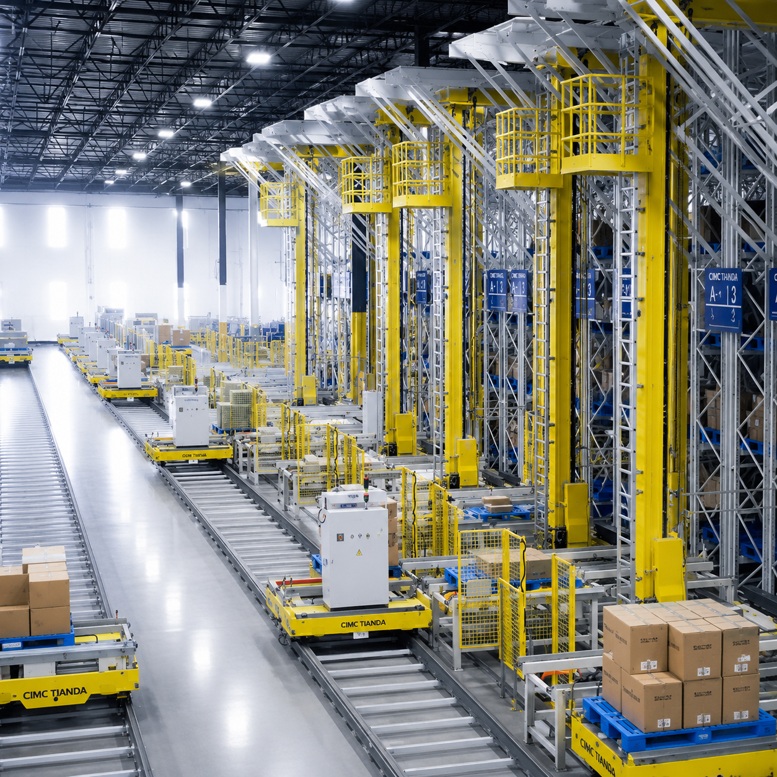
Gustav Ryan: A resilient intralogistics operation should be able to maintain stable performance while adapting to changing volumes, product mixes and operating requirements. For CIMC TIANDA, this means looking beyond individual machines and designing an integrated flow across receiving, conveying, sorting, storage, picking and dispatch. The system should provide operational visibility, support scalable capacity and remain maintainable throughout its lifecycle. The objective is not automation for its own sake. It is to help customers build operations that are reliable today and able to evolve as their business changes.
GSC: How does CIMC TIANDA envision the shift from traditional physical infrastructure to intelligent, self-optimising logistics assets?
GR: Equipment is increasingly becoming part of an intelligent, connected system rather than operating as a standalone asset. Sensors, control software and operational data can improve visibility into material flow, equipment status and system performance. This enables operators to identify bottlenecks earlier, improve maintenance planning and make more informed decisions about capacity and process optimisation. The real value comes from connecting physical automation with operational intelligence in a way that is practical for the customer’s day-to-day business.
GSC: Where can AI create practical value in intralogistics today, and where does human expertise remain essential?
GR: AI can create value where there is sufficient operational data and a clearly defined decision process. Potential applications include identifying recurring bottlenecks, supporting predictive maintenance, improving resource allocation and helping operators respond to exceptions more efficiently.
At the same time, human expertise remains essential in system design, safety management, process improvement and the handling of unusual operational situations. High-performing automated operations rely on a thoughtful combination of technology, operational experience and human judgement.
GSC: How does CIMC TIANDA combine global engineering experience with local project delivery?
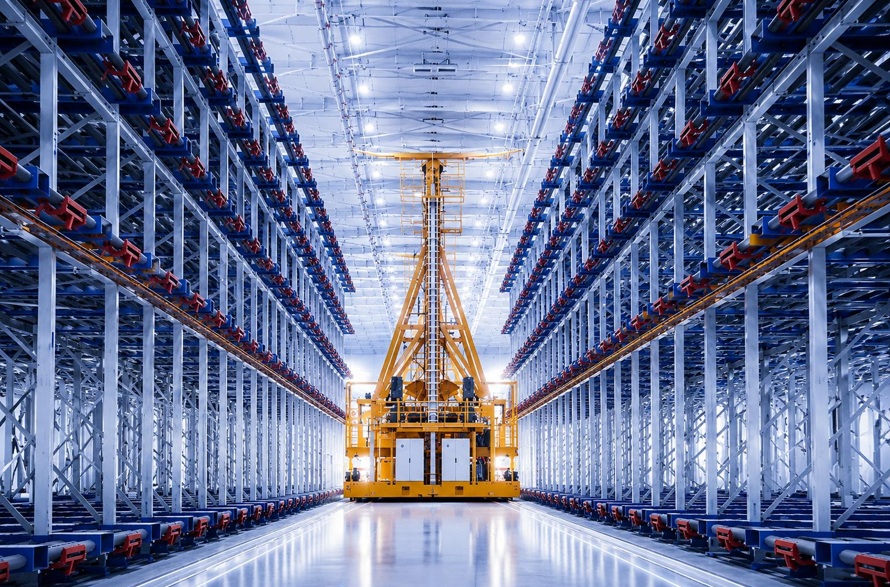
GR: Every logistics operation is shaped by local realities, including customer processes, facility conditions, regulations, labour models and service expectations. CIMC TIANDA combines its automation engineering and system-integration experience with project-specific localisation. This means understanding each customer’s operational priorities before defining the right solution, implementation approach and long-term support arrangement. Global capability is most valuable when it can be translated into a solution that works reliably in the customer’s actual operating environment.
GSC: Which innovation priorities will have the greatest impact on warehouse and intralogistics performance in the coming years?
GR: We see the greatest value in innovations that improve flexibility, system availability and lifecycle performance.
For customers, this can include modular system design, more intelligent control and monitoring, stronger integration between equipment and software, and solutions that make more effective use of space, energy and labour. The priority should not simply be introducing more technology, but applying the right technology to address a specific operational challenge.
GSC: As automation accelerates, what uniquely human capabilities will become more valuable — not less — in logistics?
GR: As repetitive work is automated, people can focus more on areas where judgement and experience make the greatest difference.
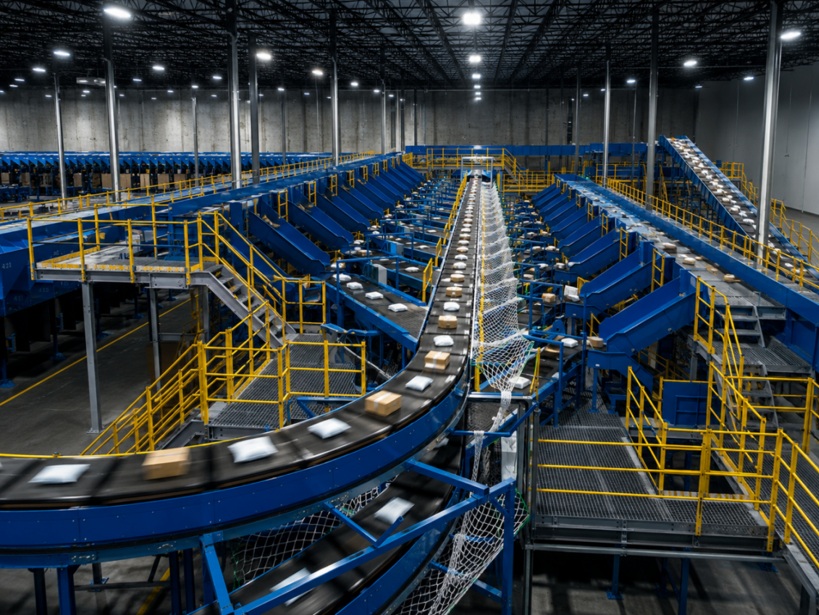
These include operational planning, exception management, system optimisation, continuous improvement, safety oversight and cross-functional coordination. Automation changes the nature of work; it does not eliminate the need for capable operating teams.
The strongest operations will be those where people understand how to work with automation, interpret performance data and continuously improve the process.
GSC: What needs to happen for data to become a genuinely useful operational asset?
GR: Data becomes valuable when it is accurate, connected and linked to clear operational decisions. In intralogistics, the challenge is not simply collecting more data. It is integrating data from equipment, control systems and operational processes in a way that gives users actionable insight. Interoperability, data governance and cybersecurity are therefore just as important as analytics. The focus should be on helping customers improve visibility, respond faster to issues and make better operational decisions.
More of this story can be found here: https://globalsupplychainme.com/digital-issues-2026/sept-2026/