





Precision‑built automotive supply chains by Transport Overseas Group and MOSOLF
The Transport Overseas Group (TOG) is a young, dynamic and fast-growing company operating globally as an international logistics service provider for the shipping, logistics and port sectors. With the recent launch of MOSOLF Middle East in Jebel Ali, the company is stepping directly into the flow of automotive power, where speed, visibility, and regional influence decide who controls tomorrow’s trade corridors.
Richard Hall, Director Middle East/Asia Pacific explains how operations in Jebel Ali anchors the company’s next phase of automotive logistics expansion.
GSC: When did MOSOLF operations begin in the UAE and how long have they operated in Germany?
Richard Hall: MOSOLF’s dedicated vehicle logistics and technical facility in Jebel Ali has been fully operational since March 2026, with its launch publicly announced in May. That is the milestone I would use for the start of this particular operation. It should be distinguished from Transport Overseas Group’s existing business in Dubai and the wider group’s earlier commercial presence in the region.
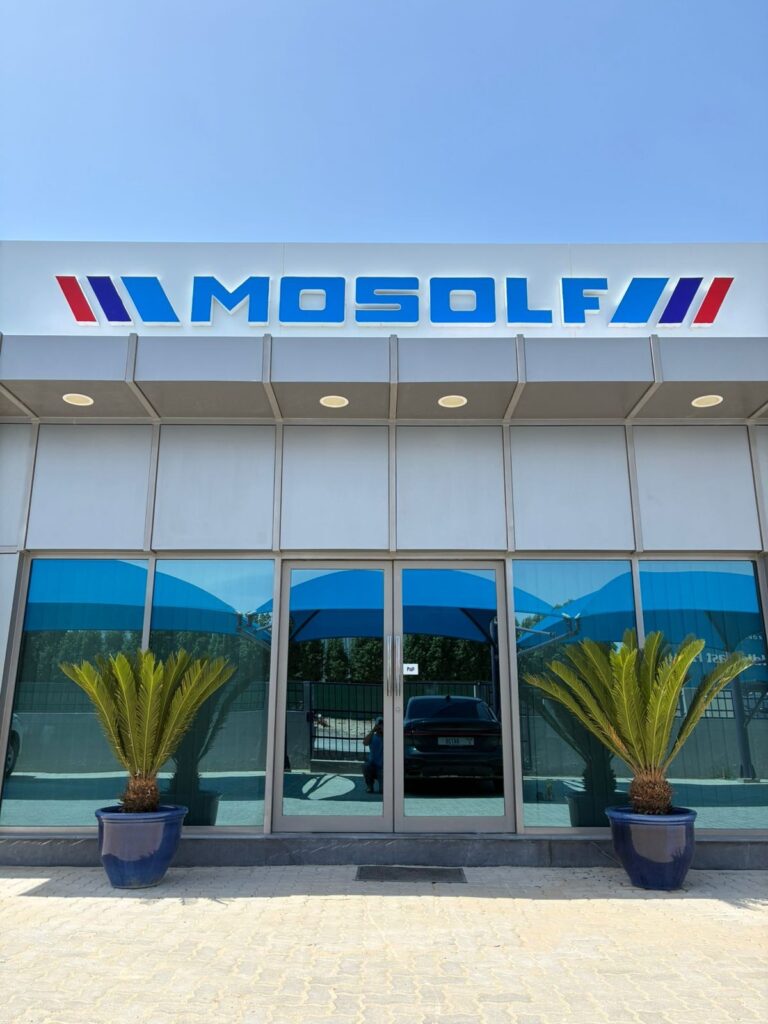
MOSOLF was founded in Kirchheim unter Teck, Germany, in 1955, giving it more than 70 years of experience. For our customers, the relevance of that history is the practical knowledge accumulated in handling vehicles, managing their condition and preparing them for delivery. Those disciplines matter just as much in an emerging distribution operation as they do in an established European network.
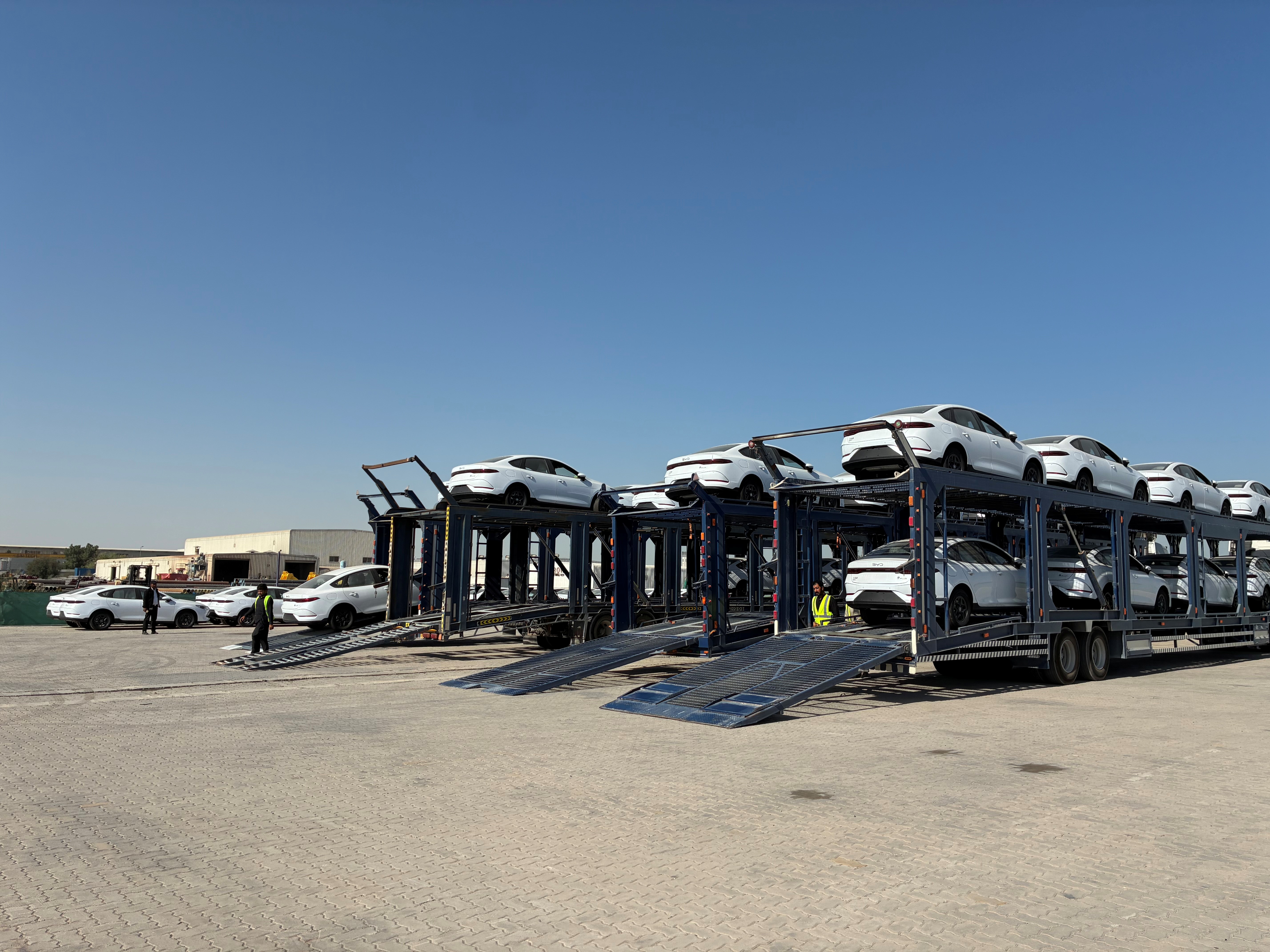
The Jebel Ali facility adds approximately 15,000 square metres of space, including vehicle storage and a warehouse for pre-delivery inspection and technical preparation. It gives us a physical base around which to develop a more complete regional service, combining local market understanding with MOSOLF’s automotive expertise.

GSC: How will MOSOLF Middle East be operationally integrated into Transport Overseas Group’s global network, and what specific efficiencies do you expect this integration to unlock for OEMs and fleet customers?
Richard Hall: Transport Overseas Group is part of the wider MOSOLF organisation, so the opportunity is to coordinate complementary capabilities within the group. TO Group brings international forwarding and sea-freight expertise; the Jebel Ali operation adds local vehicle handling and preparation. From the customer’s perspective, those activities should form one clearly managed delivery process.
The operating model I favour starts before a vehicle leaves its origin. The shipping plan should be aligned with the receiving site’s capacity, the documentation required and the customer’s release priorities. A vehicle identification number should connect the shipment record with the condition report and preparation status. Clear responsibility at each handover would reduce repeated data entry and the time spent chasing updates between separate providers.
For an original equipment manufacturer, or OEM, the expected benefit is better coordination between vessel arrival and dealer availability. For a fleet customer, it is the ability to sequence releases around the date vehicles are required for work. A fleet of commercial vehicles may need staged delivery, even when the units arrive together.
GSC: How has the current market changed your supply chain model and what do you believe are the road maps for success?
Richard Hall: The current market makes flexibility a core part of supply-chain design. My view is that every important vehicle flow needs a realistic primary plan and a workable alternative.
For automotive logistics, the commercial effect extends beyond the transport invoice. A truck waiting for delivery can delay a customer’s ability to earn revenue. Passenger vehicles held in the wrong location can tie up working capital while dealers elsewhere need stock. That is why I would assess a route against total delivered cost and the reliability of getting vehicles into use.
More on this story can be found here: https://globalsupplychainme.com/digital-issues-2026/oct-2026/