





Supply Chain and Logistics Conference 2025 Concludes its 7th Edition with SAR 19.053 Billion in Investments.
The Supply Chain and Logistics Conference 2025 concluded its agendas today in Riyadh, following two days of in-depth discussions and high-level sessions that brought together key stakeholders from across the sector. The seventh edition of the conference and its accompanying exhibition were inaugurated yesterday by His Excellency, the Minister of Transport and Logistics, Engineer Saleh bin Nasser Al-Jasser.
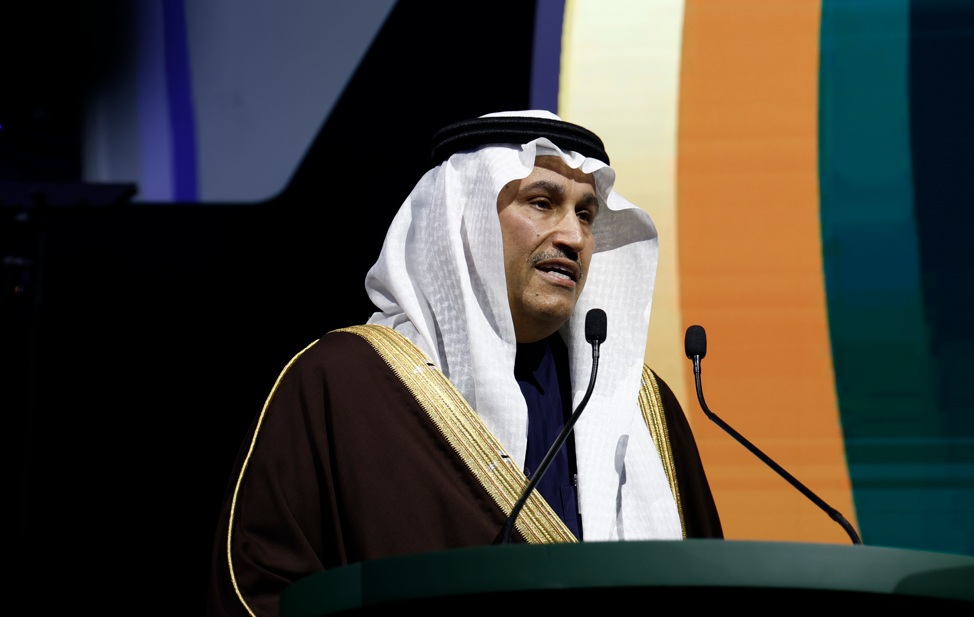
Over the course of the conference, 93 agreements and memoranda of understanding were signed, with a total value exceeding SAR 19.053 billion, aimed at launching and expanding a range of strategic logistics and supply chain projects across the Kingdom.
Among the most notable agreements were a memorandum of understanding between ASMO and JPMorgan; a framework training agreement between the Middle East Logistics Training Institute (MELI) and King Khalid University; and a strategic partnership between Khalid Dhafer & Brothers Logistics Company and Younis Holding Company. Additional agreements included several associate degree training programs with guaranteed employment, signed between the Saudi Logistics Academy and leading companies such as Lucid, SER, and SMSA, as well as memoranda of understanding with BAE Systems and the University of Tabuk to empower national talent in the logistics sector.
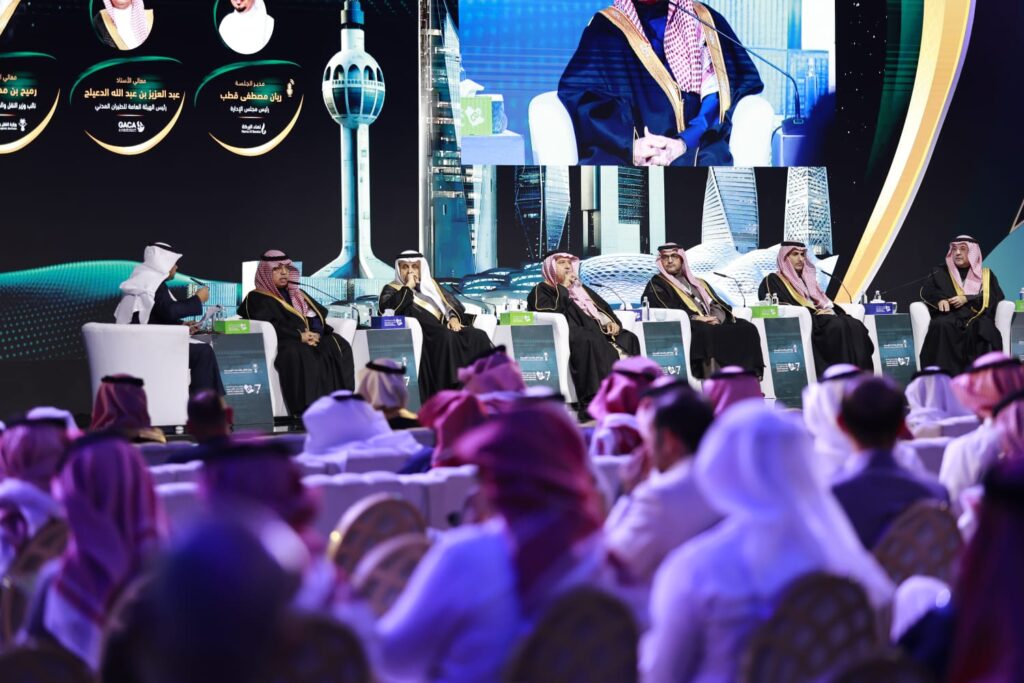
The conference also witnessed strategic agreements between Spark Logistics and DSV, Spark Logistics and Kuehne + Nagel, Volt Transport and Storage and Badail, Tatweer Transport Services Company (Rafid) and National Trading Company (NTC), and Khamat and Zahid Tractors, reflecting the growing momentum of collaboration within the sector.
In alignment with this year’s conference theme on public–private partnerships, His Excellency the Assistant Minister of Transport and Logistics, Mr. Ahmed bin Sufyan Al-Hassan, emphasized in his opening remarks on the second day that the successful implementation of the sector’s strategies and initiatives depends on building a broad and effective network of strategic partnerships.
He noted: “Delivering the projects and initiatives of this strategy requires an integrated approach grounded in close collaboration with the private sector, technology companies, government organizations, and academic institutions. This collaborative framework is essential to strengthening national capabilities and enabling the provision of flexible, efficient logistics services at the national, regional, and international levels.”
At the conclusion of the second day, the conference issued a set of key recommendations emphasizing the importance of public–private partnerships (PPP) in advancing supply chains and logistics. These recommendations included strengthening strategic cooperation frameworks between the public and private sectors, unifying and integrating national digital platforms, stimulating investment in advanced logistics technologies, developing human capital through joint training initiatives, enhancing the role of logistics centers and special economic zones, aligning regulations with private sector needs, enabling sustainable and green supply chains, establishing a permanent dialogue platform between stakeholders, and adopting a national strategy to empower women in the logistics sector.
The outcomes of the conference reaffirm the Kingdom’s commitment to advancing the logistics and supply chain sector as a key driver of economic growth, in line with the objectives of Saudi Vision 2030.